


-


DT SWISS EX 511 29" 30 mm Rim
Regular price 74,99 €Regular priceUnit price perRecommended price* : 99,90 €
-


DT SWISS FR 541 29" 30 mm Rim
Regular price 79,99 €Regular priceUnit price perRecommended price* : 99,90 €
-


DT SWISS EX 511 27.5" 30 mm Rim
Regular price 74,99 €Regular priceUnit price perRecommended price* : 99,90 €
-


DT SWISS E 532 27.5" 30 mm Rim
Regular price 56,99 €Regular priceUnit price perRecommended price* : 69,90 €
-


DT SWISS E 532 29" 30 mm Rim
Regular price 56,99 €Regular priceUnit price perRecommended price* : 69,90 €
-
DT SWISS FR 541 27.5" 30 mm Black Rim
Regular price 79,99 €Regular priceUnit price perRecommended price* : 99,90 €
-

SPANK SPIKE RACE33 27.5" Rim Black
Regular price 79,99 €Regular priceUnit price perRecommended price* : 99,99 €
-


SPANK SPOON 26" Rim Black
Regular price 74,99 €Regular priceUnit price perRecommended price* : 89,99 €
-


SPANK SPIKE RACE 33 29" Rim Black
Regular price 79,99 €Regular priceUnit price perRecommended price* : 99,99 €
-


DT SWISS F 572 27.5" 30 mm Rim
Regular price 57,99 €Regular priceUnit price perRecommended price* : 69,90 €
-


WTB KOM TOUGH i30 29" 30mm Rim
Regular price 94,99 €Regular priceUnit price perRecommended price* : 113,89 €
-


DT SWISS FR 571 27.5" 30 mm Silver Rim
Regular price 89,99 €Regular priceUnit price perRecommended price* : 99,90 €
-
DT SWISS F 572 29" 30 mm Rim
Regular price 57,99 €Regular priceUnit price perRecommended price* : 69,90 €
-


DT Swiss E 593 29" 30 mm Rim
Regular price 32,99 €Regular priceUnit price perRecommended price* : 36,90 €
-
DT SWISS FR 571 29" 30 mm Silver Rim
Regular price 89,99 €Regular priceUnit price perRecommended price* : 99,90 €
-

DT SWISS EX 471 27.5" 25 mm Rim
Regular price 74,99 €Regular priceUnit price perRecommended price* : 99,90 €
-


DT SWISS FR 541 29'' 30 mm Rim Silver
Regular price 89,99 €Regular priceUnit price perRecommended price* : 99,90 €
-


DT SWISS FR 571 27.5" 30 mm Rim Black
Regular price 89,99 €Regular priceUnit price perRecommended price* : 99,90 €
-

MAVIC A-27 DISC 27.5" 27mm Rim
Regular price 34,99 €Regular priceUnit price per -


HOPE FORTUS 30 W 27.5" Rim Black
Regular price 144,90 €Regular priceUnit price perRecommended price* : 145,00 €
-


DT SWISS XM 481 29" 30 mm Rim
Regular price 79,99 €Regular priceUnit price perRecommended price* : 99,90 €
-

MAVIC XC 1025 DISC 29" 25mm Rim
Regular price 89,99 €Regular priceUnit price perRecommended price* : 109,00 €
-

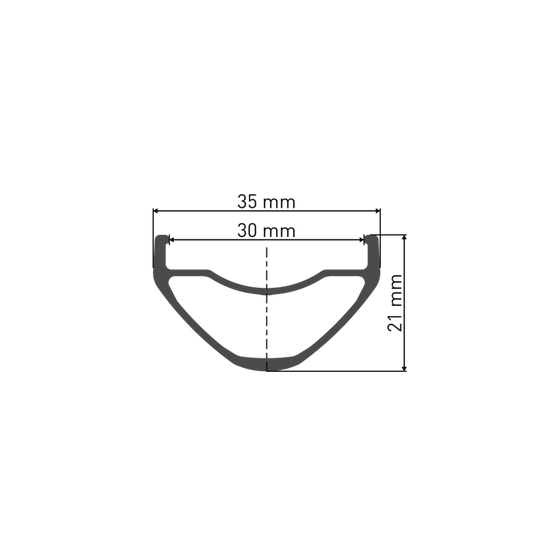
DT SWISS FR 560 26" 30 mm Rim
Regular price 89,99 €Regular priceUnit price perRecommended price* : 99,90 €
-


SPANK SPOON 27.5" Rim Black
Regular price 74,99 €Regular priceUnit price perRecommended price* : 89,99 €
-


DT SWISS XR 391 29" 25 mm Rim
Regular price 79,99 €Regular priceUnit price perRecommended price* : 99,90 €
-

REVERSE COMPONENTS BLACK ONE 26" Rim Silver
Regular price 79,99 €Regular priceUnit price perRecommended price* : 89,90 €
-

REVERSE COMPONENTS BLACK ONE 26" Rim Black/Grey
Regular price 61,99 €Regular priceUnit price perRecommended price* : 69,90 €
-
DT SWISS FR 541 27.5'' 30 mm Silver Rim
Regular price 89,99 €Regular priceUnit price perRecommended price* : 99,90 €
-
DT SWISS EX 471 29" 25 mm Rim
Regular price 74,99 €Regular priceUnit price perRecommended price* : 99,90 €
-
REVERSE COMPONENTS BLACK ONE 27.5" Rim Silver
Regular price 99,99 €Regular priceUnit price per -

MAVIC XM 119 DISC 27.5" 19mm Rim
Regular price 29,99 €Regular priceUnit price perRecommended price* : 35,00 €
-
DT SWISS FR 571 29" 30 mm Rim Black
Regular price 89,99 €Regular priceUnit price perRecommended price* : 99,90 €
-
MAVIC A-27 DISC 29" 27mm Rim
Regular price 37,99 €Regular priceUnit price perRecommended price* : 38,00 €
-

MAVIC EX 1028 DISC 29" 28mm Rim
Regular price 88,99 €Regular priceUnit price perRecommended price* : 109,00 €
-
REVERSE COMPONENTS BLACK ONE 27.5" Rim Black/Grey
Regular price 89,99 €Regular priceUnit price per -
REVERSE COMPONENTS BLACK ONE 29" Rim Silver
Regular price 99,99 €Regular priceUnit price per -
MAVIC XM 119 DISC 26" 19mm Rim
Regular price 29,99 €Regular priceUnit price perRecommended price* : 35,00 €
-


WTB KOM TOUGH i30 27.5" 30mm Rim
Regular price 94,99 €Regular priceUnit price perRecommended price* : 113,89 €
-


DT Swiss X 432 29" 25 mm Rim
Regular price 59,99 €Regular priceUnit price perRecommended price* : 69,90 €
-


DT Swiss XM 481 27.5" 30 mm Rim
Regular price 79,99 €Regular priceUnit price perRecommended price* : 99,90 €
-

Front/Rear Rim Kit MAVIC E-CROSSTRAIL SL 27.5"
Regular price 129,90 €Regular priceUnit price perRecommended price* : 155,00 €
-
MAVIC XM 119 DISC 29" 19mm Rim
Regular price 29,99 €Regular priceUnit price perRecommended price* : 35,00 €
-

MAVIC XC 425 DISC 29" 25mm Rim
Regular price 49,99 €Regular priceUnit price perRecommended price* : 55,00 €
-
HOPE FORTUS 30 W 29" Rim Black
Regular price 144,90 €Regular priceUnit price perRecommended price* : 145,00 €
-


SPANK OOZY 350 29" Black Rim
Regular price 99,99 €Regular priceUnit price perRecommended price* : 129,00 €
-

SPANK 359 29" Rim Black
Regular price 99,99 €Regular priceUnit price perRecommended price* : 125,00 €
-


SPANK OOZY 350 27.5" Rim Black
Regular price 99,99 €Regular priceUnit price perRecommended price* : 129,00 €
-

WTB KOM Light I35 27.5" Rim
Regular price 94,99 €Regular priceUnit price perRecommended price* : 113,90 €
-


WTB KOM LIGHT I23 TCS 29" Rim
Regular price 94,99 €Regular priceUnit price perRecommended price* : 111,70 €
-

MAVIC XM 1030 DISC 29" 30mm Rim
Regular price 88,99 €Regular priceUnit price perRecommended price* : 109,00 €
-


MAVIC XM 1030 27.5" 30mm Rim
Regular price 88,99 €Regular priceUnit price perRecommended price* : 109,00 €
-

MAVIC EX 1028 DISC 27.5" 28mm Rim
Regular price 88,99 €Regular priceUnit price perRecommended price* : 109,00 €
-


MAVIC P1 PFP 27.5" 30mm Rim
Regular price 44,99 €Regular priceUnit price perRecommended price* : 49,00 €
-

MAVIC P1 29" 30mm Rim
Regular price 39,99 €Regular priceUnit price perRecommended price* : 45,00 €
-


DT Swiss EXC 330 27.5" 30 mm Rim
Regular price 499,90 €Regular priceUnit price perRecommended price* : 599,90 €
-


DT Swiss M 502 29" 30 mm Rim
Regular price 59,99 €Regular priceUnit price perRecommended price* : 69,90 €
-


DT Swiss M 502 27.5" 30 mm Rim
Regular price 59,99 €Regular priceUnit price perRecommended price* : 69,90 €
-


DT Swiss XRC 310 29" 30 mm Rim
Regular price 499,90 €Regular priceUnit price perRecommended price* : 599,90 €
-


DT Swiss XMC 320 29" 30 mm Rim
Regular price 499,90 €Regular priceUnit price perRecommended price* : 599,90 €
-


DT SWISS XMC 320 27.5" 30 mm Rim
Regular price 499,90 €Regular priceUnit price perRecommended price* : 599,90 €


