-


BURGTEC RIDE HIGH JOSH BRYCELAND SIGNATURE Handlebar Rise 50mm 800mm Black
Regular price 87,99 €Regular priceUnit price perRecommended price* : 95,00 €
-

BURGTEC RIDE HIGH JOSH BRYCELAND SIGNATURE Rise 38mm 800mm Handlebar Black
Regular price 89,99 €Regular priceUnit price perRecommended price* : 95,00 €
-


TRUVATIV HUSSEFELT COMP Rise 40mm 700mm Black Handlebar
Regular price 29,99 €Regular priceUnit price perRecommended price* : 34,00 €
-


RITCHEY RIZER 9D Handlebar Rise 20mm 31.8/780mm Black
Regular price 24,99 €Regular priceUnit price perRecommended price* : 26,89 €
-


RITCHEY COMP Rise 35mm 740mm Black Handlebar
Regular price 31,99 €Regular priceUnit price perRecommended price* : 36,90 €
-


BURGTEC RIDE WIDE DH Rise 30mm 800mm Handlebar Black
Regular price 89,99 €Regular priceUnit price perRecommended price* : 95,00 €
-


RITCHEY RL1 Flat Handlebar 740mm Black
Regular price 16,99 €Regular priceUnit price perRecommended price* : 18,90 €
-


RACE FACE CHESTER Rise 35mm 780mm Black Handlebar
Regular price 44,99 €Regular priceUnit price perRecommended price* : 60,90 €
-


BURGTEC RIDE WIDE ENDURO Rise 30mm 800mm Handlebar Black
Regular price 89,99 €Regular priceUnit price perRecommended price* : 95,00 €
-


SPANK SPOON 800 Rise 75mm 800mm Black Handlebar
Regular price 64,99 €Regular priceUnit price perRecommended price* : 79,90 €
-


SPANK SPIKE 800 VIBROCORE Rise 50mm 800mm Black Handlebar
Regular price 82,99 €Regular priceUnit price perRecommended price* : 125,00 €
-


RITCHEY COMP KYOTE Rise 35mm 10D 31.8/800mm Black Handlebar
Regular price 34,99 €Regular priceUnit price perRecommended price* : 39,90 €
-


RITCHEY COMP Flat Handlebar 710mm Black
Regular price 31,99 €Regular priceUnit price perRecommended price* : 36,90 €
-


HOPE Carbon Handlebar Rise 20mm 800mm
Regular price 179,90 €Regular priceUnit price perRecommended price* : 230,00 €
-


FSA COMET Aluminium Flat Handlebar 31.8/740mm Black
Regular price 23,99 €Regular priceUnit price perRecommended price* : 35,00 €
-


RITCHEY COMP Rise 20mm 740mm Handlebar Black
Regular price 31,99 €Regular priceUnit price perRecommended price* : 36,90 €
-


RITCHEY CLASSIC RIZER Handlebar Rise 20mm 31.8/800mm Silver
Regular price 39,99 €Regular priceUnit price perRecommended price* : 44,89 €
-


SPANK SPOON Rise 40mm 785mm Black Handlebar
Regular price 44,95 €Regular priceUnit price perRecommended price* : 44,99 €
-

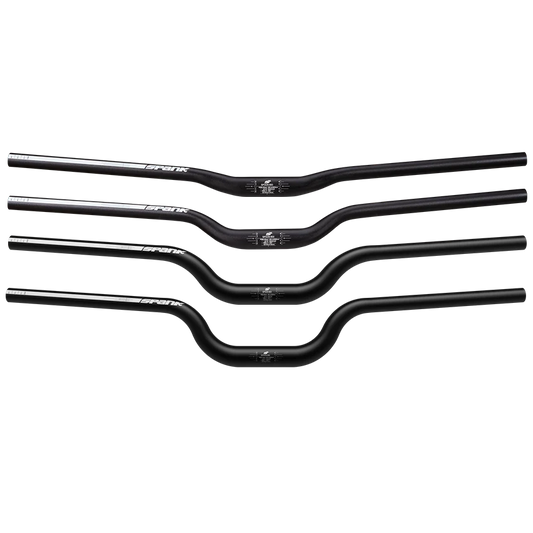
SPANK SPOON 800 Handlebar Rise 60mm 800mm Black
Regular price 64,99 €Regular priceUnit price perRecommended price* : 79,90 €
-

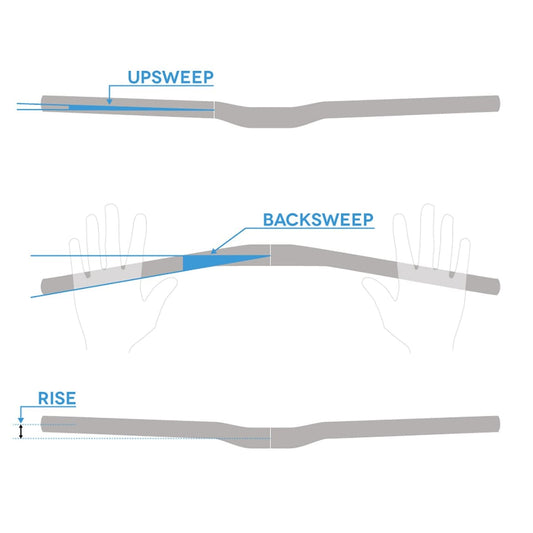
SPANK SPIKE 800 RACE Handlebar Rise 50mm 800mm Black
Regular price 79,99 €Regular priceUnit price perRecommended price* : 99,99 €
-


CHROMAG FU50 Handlebar Rise 50mm 800mm Black
Regular price 74,90 €Regular priceUnit price perRecommended price* : 94,95 €
-


BURGTEC RIDE HIGH JOSH BRYCELAND SIGNATURE Handlebar Rise 80mm 800mm Black
Regular price 94,99 €Regular priceUnit price perRecommended price* : 95,00 €
-


RACE FACE RIDE Rise 25mm 710mm Black Handlebar
Regular price 34,99 €Regular priceUnit price perRecommended price* : 47,90 €
-


SPANK SPIKE 800 RACE Rise 30mm 800mm Black Handlebar
Regular price 69,99 €Regular priceUnit price perRecommended price* : 99,99 €
-


RITCHEY COMP TRAIL 10D RIZER Handlebar Rise 20mm 31.8/800mm Black
Regular price 31,99 €Regular priceUnit price perRecommended price* : 36,90 €
-


TRUVATIV HUSSEFELT COMP Rise 20mm 700mm Black Handlebar
Regular price 29,99 €Regular priceUnit price perRecommended price* : 34,00 €
-


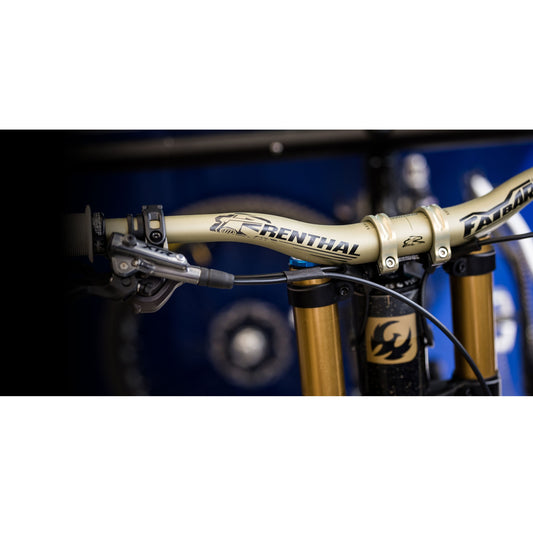
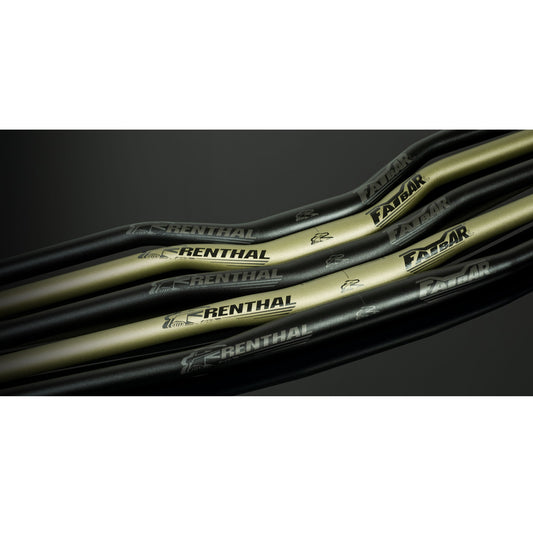
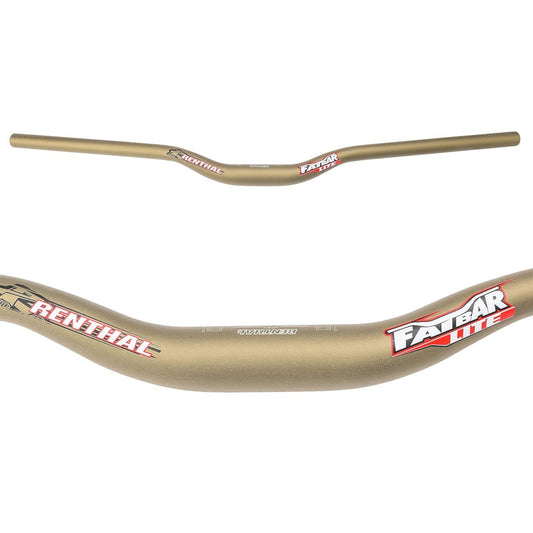
RENTHAL FATBAR LITE Carbon Handlebar Rise 40mm 760mm Black
Regular price 129,90 €Regular priceUnit price perRecommended price* : 185,00 €
-


RACE FACE CHESTER Rise 25mm 740mm Handlebar Black
Regular price 44,99 €Regular priceUnit price perRecommended price* : 60,90 €
-

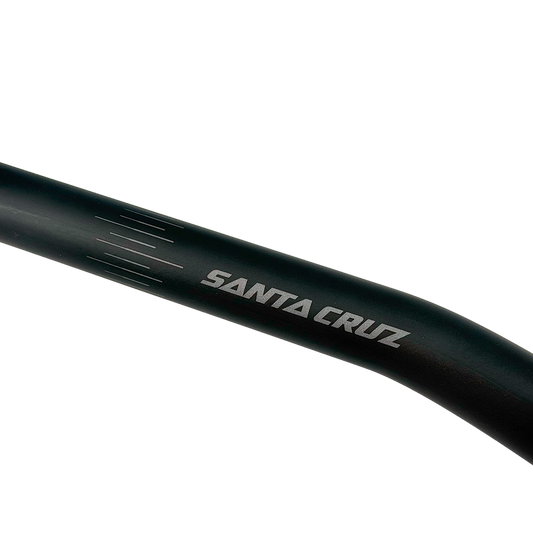
SANTA CRUZ ECarbon Di2 Rise 35mm 800mm Handlebar
Regular price 79,99 €Regular priceUnit price perRecommended price* : 151,95 €
-


TRUVATIV HUSSEFELT Rise 40mm 700mm Black Handlebar
Regular price 37,99 €Regular priceUnit price perRecommended price* : 52,00 €
-


ENVE M6 Handlebar Rise 25mm 780mm
Regular price 189,90 €Regular priceUnit price perRecommended price* : 225,00 €
-


TRUVATIV ATMOS 7K 20mm Rise 760mm Handlebar Black
Regular price 56,99 €Regular priceUnit price perRecommended price* : 80,00 €
-


SPANK SPIKE 800 VIBROCORE Rise 75mm 800mm Black Handlebar
Regular price 99,99 €Regular priceUnit price perRecommended price* : 125,00 €
-


FSA COMET Aluminium Handlebar Rise 25mm 35/760mm Black
Regular price 32,99 €Regular priceUnit price perRecommended price* : 39,00 €
-


Handlebar BURGTEC RIDE WIDE E-BIKE Rise 35mm 800mm Black
Regular price 89,99 €Regular priceUnit price perRecommended price* : 95,00 €
-


SPANK SPIKE 800 Handlebar Rise 50mm 31.8/800mm Black
Regular price 82,99 €Regular priceUnit price perRecommended price* : 125,00 €
-


RITCHEY COMP FLAT 2X HP Handlebar Flat 31.8/720mm Black
Regular price 31,99 €Regular priceUnit price perRecommended price* : 36,90 €
-


BURGTEC RIDE WIDE ENDURO Rise 30mm 800mm Black Carbon Handlebar
Regular price 159,90 €Regular priceUnit price perRecommended price* : 180,00 €
-


SPANK SPOON Rise 25mm 785mm Black Handlebar
Regular price 39,99 €Regular priceUnit price perRecommended price* : 44,99 €
-


SPANK SPOON 800 Rise 40mm 800mm Handlebar Black
Regular price 64,99 €Regular priceUnit price perRecommended price* : 79,90 €
-


SPANK SPIKE 800 VIBROCORE Rise 30mm 800mm Handlebar Grey
Regular price 82,99 €Regular priceUnit price perRecommended price* : 125,00 €
-


SPANK SPIKE 800 VIBROCORE Rise 30mm 800mm Handlebar Black
Regular price 82,99 €Regular priceUnit price perRecommended price* : 125,00 €
-


FSA COMET Aluminium Handlebar Rise 15mm 31.8/740mm Black
Regular price 33,99 €Regular priceUnit price perRecommended price* : 49,00 €
-


SPANK SPOON 35 Handlebar Rise 40mm 800mm Black
Regular price 74,99 €Regular priceUnit price perRecommended price* : 89,99 €
-


RITCHEY WCS 9D Flat 740mm Black Handlebar
Regular price 79,99 €Regular priceUnit price perRecommended price* : 84,90 €
-


RENTHAL FATBAR LITE Carbon Handlebar Rise 30mm 760mm Black
Regular price 159,90 €Regular priceUnit price perRecommended price* : 185,00 €
-


CAST SFX Rise 38mm 800mm Black Handlebar
Regular price 69,99 €Regular priceUnit price perRecommended price* : 69,99 €
-

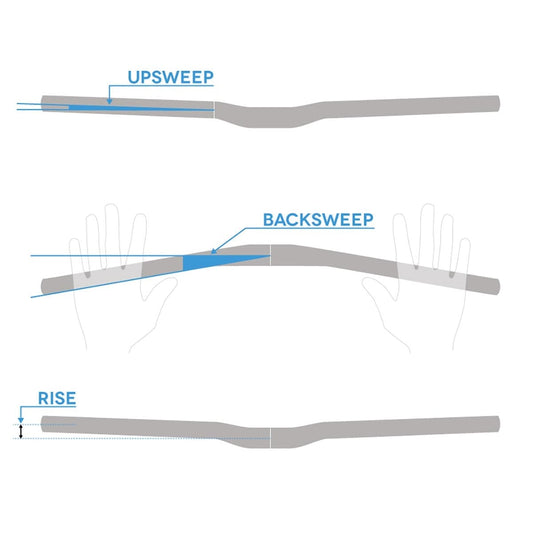
RITCHEY TRAIL RIZER Handlebar Rise 20mm 31.8/780mm Black
Regular price 31,99 €Regular priceUnit price perRecommended price* : 36,90 €
-

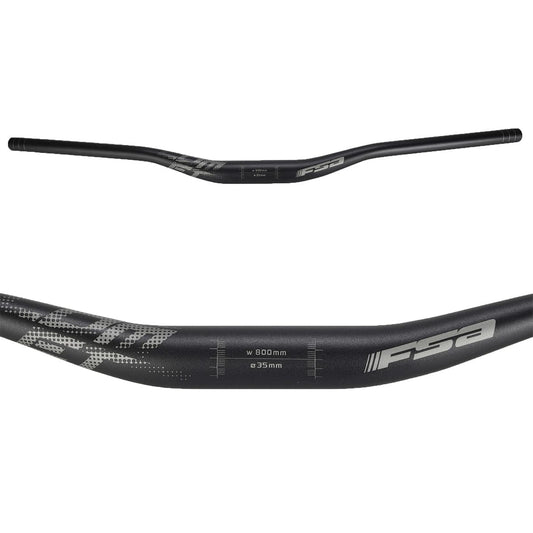
FSA COMET Aluminium Handlebar Rise 25mm 35/800mm Black
Regular price 32,99 €Regular priceUnit price perRecommended price* : 39,00 €
-

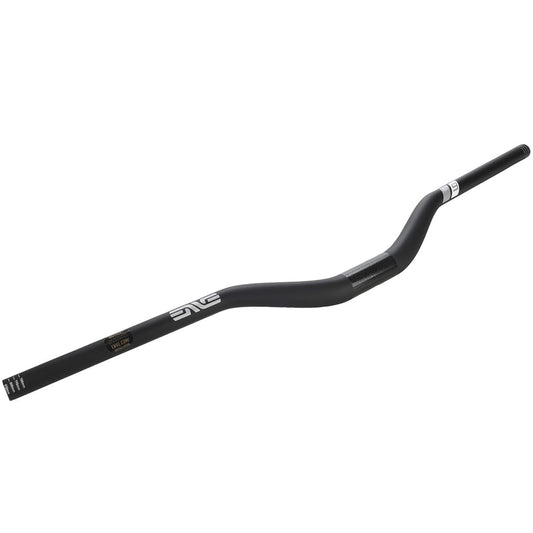
ENVE M9 Handlebar Rise 50mm 810mm
Regular price 189,90 €Regular priceUnit price perRecommended price* : 225,00 €
-

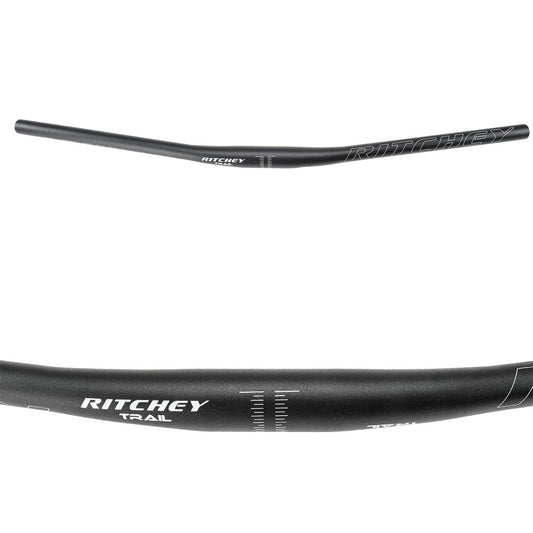
RITCHEY TRAIL Flat 740mm Black Handlebar
Regular price 34,99 €Regular priceUnit price perRecommended price* : 37,90 €
-

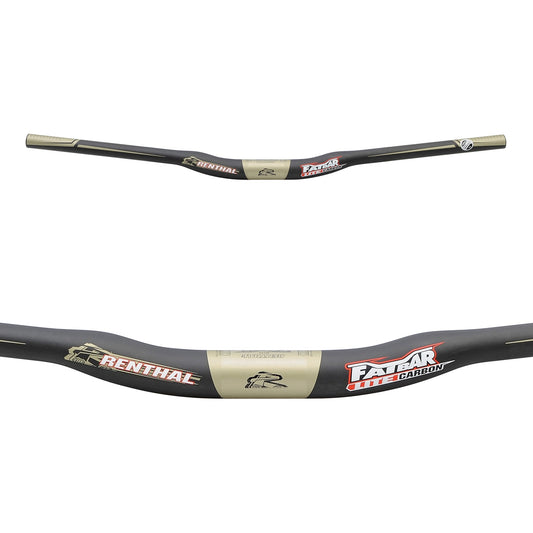
RENTHAL FATBAR LITE Carbon Rise 20mm 760mm Black Handlebar
Regular price 159,90 €Regular priceUnit price perRecommended price* : 185,00 €