-


RENTHAL APEX Stem
Regular price From 59,99 €Regular priceUnit price perRecommended price* : 115,00 €
-


TRUVATIV ATMOS 7K 6° Stem Black
Regular price 59,99 €Regular priceUnit price perRecommended price* : 85,00 €
-

FSA V-Drive Aluminium +/-17° Stem Black
Regular price From 24,99 €Regular priceUnit price perRecommended price* : 38,00 €
-


RITCHEY TRAIL Black Stem
Regular price 44,99 €Regular priceUnit price perRecommended price* : 49,90 €
-


RACE FACE AEFFECT 6° Stem Black
Regular price From 44,99 €Regular priceUnit price perRecommended price* : 67,90 €
-


RITCHEY WCS TRAIL Black Stem
Regular price 69,99 €Regular priceUnit price perRecommended price* : 96,90 €
-


RACE FACE CHESTER Stem 0° Black
Regular price 49,99 €Regular priceUnit price perRecommended price* : 67,90 €
-


FSA GRADIENT Aluminium 6° Ø35mm Stem Black
Regular price From 63,99 €Regular priceUnit price perRecommended price* : 111,00 €
-

FSA AFTERBURNER Aluminium -12° Stem Black
Regular price From 58,99 €Regular priceUnit price perRecommended price* : 86,00 €
-


FSA COMET Stem 6° Ø35 mm
Regular price From 45,99 €Regular priceUnit price perRecommended price* : 63,00 €
-


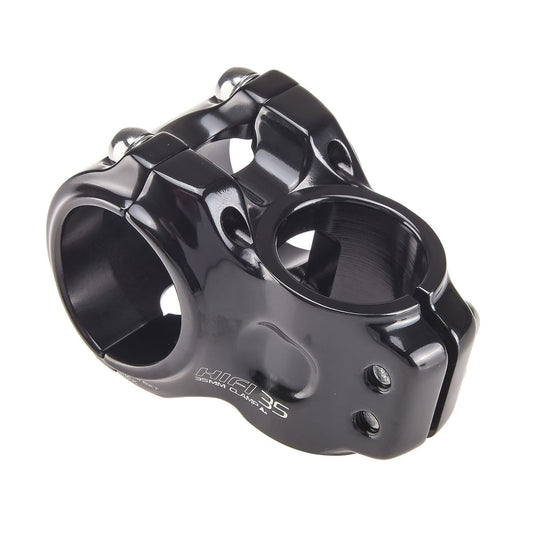
CHROMAG HIFI BSX Stem 0° Black
Regular price 64,99 €Regular priceUnit price perRecommended price* : 69,95 €
-


INDUSTRY NINE A35 Green Stem
Regular price 159,90 €Regular priceUnit price perRecommended price* : 175,00 €
-


INDUSTRY NINE A35 Stem Pink
Regular price 159,90 €Regular priceUnit price perRecommended price* : 175,00 €
-


INDUSTRY NINE A35 Orange Stem
Regular price 159,90 €Regular priceUnit price perRecommended price* : 175,00 €