


-

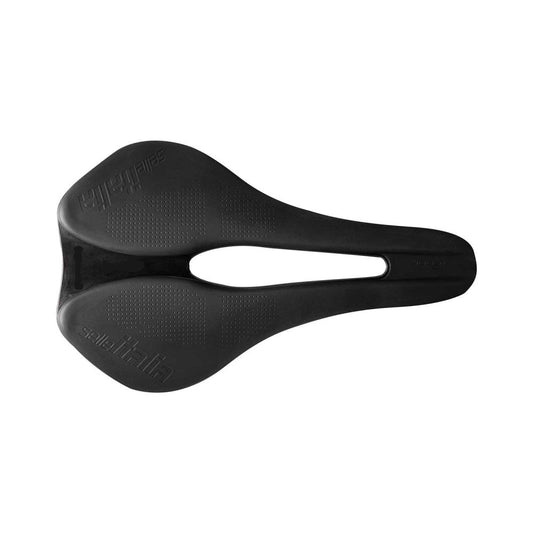
SELLE ITALIA MODEL X GREEN SUPERFLOW L Saddle Fec Black Rails
Regular price 29,99 €Regular priceUnit price perRecommended price* : 54,00 €
-

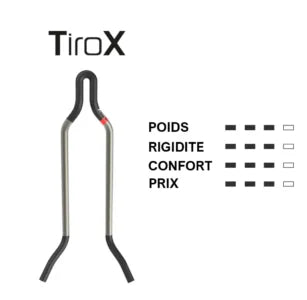
PROLOGO DIMENSION Saddle TiroX Rails Black
Regular price 79,99 €Regular priceUnit price perRecommended price* : 159,90 €
-


PROLOGO NAGO R4 PAS 137 Steel Rails Saddle Black
Regular price 49,99 €Regular priceUnit price per -


PROLOGO NAGO R4 PAS 137 Tirox Black Saddle
Regular price 129,99 €Regular priceUnit price perRecommended price* : 159,90 €
-


PROLOGO NAGO R4 PAS 137 Nack Black Saddle
Regular price 199,90 €Regular priceUnit price perRecommended price* : 259,90 €
-


SELLE ITALIA MAX SLR GEL SUPERFLOW L TI316 Rails Black Saddle
Regular price 119,90 €Regular priceUnit price perRecommended price* : 164,90 €
-


SELLE ITALIA SPORT GEL FLOW Saddle Manganese Rails Black
Regular price 39,99 €Regular priceUnit price perRecommended price* : 46,90 €
-


SELLE ITALIA SLR BOOST SUPERFLOW S Saddle TI316 Rails Black
Regular price 179,90 €Regular priceUnit price perRecommended price* : 261,90 €
-


PROLOGO DIMENSION NDR T4.0 Rails White Saddle
Regular price 89,99 €Regular priceUnit price perRecommended price* : 129,90 €
-

PROLOGO NAGO R4 Saddle Rails Tirox 137mm Width Black
Regular price 122,90 €Regular priceUnit price perRecommended price* : 159,90 €
-


SMP WELLE S GEL Saddle Width 138mm Steel Rail Black
Regular price 115,90 €Regular priceUnit price perRecommended price* : 165,00 €
-


SMP WELL GEL Saddle Width 144mm Steel Rails Black
Regular price 99,99 €Regular priceUnit price perRecommended price* : 165,00 €
-


PROLOGO DIMENSION CPC TiroX Rails Black Saddle 143mm width
Regular price 149,90 €Regular priceUnit price perRecommended price* : 209,90 €
-


SMP VT20C Saddle Width 144mm Aluminium Rails Black
Regular price 101,90 €Regular priceUnit price perRecommended price* : 149,00 €
-


FIZIK VENTO ANTARES R3 150mm Kium Rails Saddle Black
Regular price 99,99 €Regular priceUnit price perRecommended price* : 149,00 €
-


ISM PS 2.0 135mm Saddle Crmo Rails
Regular price 179,90 €Regular priceUnit price perRecommended price* : 210,00 €
-


PROLOGO NAGO R4 PAS 3DMSS Nack Rail Saddle Black
Regular price 299,90 €Regular priceUnit price perRecommended price* : 420,00 €
-


PROLOGO DIMENSION NDR CPC 143 mm TiroX Rail Black Saddle
Regular price 169,90 €Regular priceUnit price perRecommended price* : 209,90 €
-


Saddle SELLE ITALIA LADY GEL FLOW L Women Manganese Rails Black
Regular price 79,99 €Regular priceUnit price perRecommended price* : 117,90 €
-


SAN MARCO SPORTIVE OPEN FIT BIOFOAM 151mm Steel Rails Saddle
Regular price 34,99 €Regular priceUnit price perRecommended price* : 39,90 €
-


RITCHEY CLASSIC Saddle
Regular price 49,99 €Regular priceUnit price perRecommended price* : 53,89 €
-

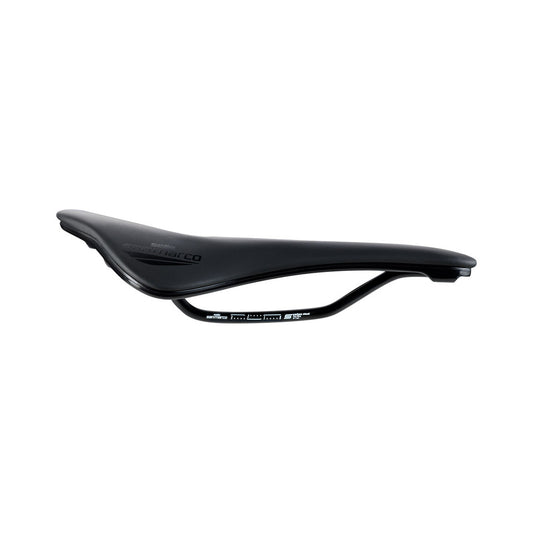
SAN MARCO SHORTFIT 2.0 OPEN-FIT SPORT L3 Width 155mm Composite Rails Saddle
Regular price 52,99 €Regular priceUnit price perRecommended price* : 64,90 €
-


SAN MARCO SHORTFIT 2.0 OPEN-FIT SPORT S3 Width 140mm Composite Rails Saddle
Regular price 52,99 €Regular priceUnit price perRecommended price* : 64,90 €
-


SMP EXTRA Saddle Width 140mm Steel Rails Black
Regular price 64,99 €Regular priceUnit price perRecommended price* : 85,00 €
-

SAN MARCO ASPIDE SHORT OPEN-FIT SPORT NARROW Saddle Steel Rails
Regular price 54,99 €Regular priceUnit price perRecommended price* : 64,90 €
-


SAN MARCO ASPIDE SHORT OPEN-FIT SPORT WIDE Steel Rails Saddle
Regular price 54,99 €Regular priceUnit price perRecommended price* : 64,90 €
-


PROLOGO AKERO AGX Rails T2.0 Saddle Black
Regular price 69,99 €Regular priceUnit price perRecommended price* : 89,90 €
-


PROLOGO AKERO T2.0 Rails Saddle Black
Regular price 67,99 €Regular priceUnit price perRecommended price* : 89,90 €
-

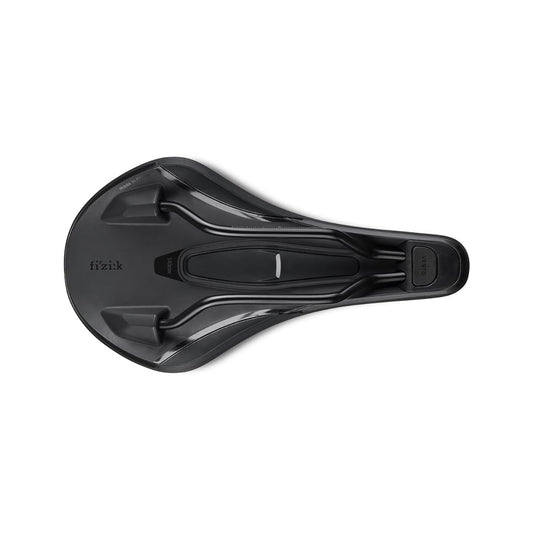
FIZIK VENTO ARGO X5 Saddle 150 mm S-Alloy Rails Black
Regular price 64,99 €Regular priceUnit price perRecommended price* : 109,00 €
-


PROLOGO KAPPA EVO Saddle Rails T2.0
Regular price 59,99 €Regular priceUnit price perRecommended price* : 79,90 €
-


PROLOGO KAPPA EVO SPACE Rails T2.0 Saddle
Regular price 67,99 €Regular priceUnit price perRecommended price* : 89,90 €
-


PROLOGO KAPPA EVO PAS Saddle T2.0 Rails
Regular price 67,99 €Regular priceUnit price perRecommended price* : 89,90 €
-


PROLOGO KAPPA EVO DEA Women's Saddle T2.0 Rails
Regular price 67,99 €Regular priceUnit price perRecommended price* : 89,90 €
-


FIZIK VENTO ARGO R5 140mm Manganese Rail Saddle Black
Regular price 69,99 €Regular priceUnit price perRecommended price* : 109,00 €
-


FIZIK VENTO ARGO X5 140 mm S-Alloy Rail Saddle Black
Regular price 84,99 €Regular priceUnit price perRecommended price* : 109,00 €
-

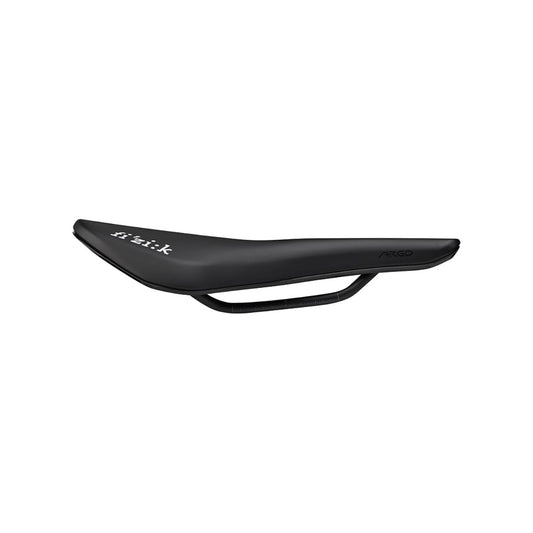
FIZIK TEMPO ARGO R5 160mm Manganese Rail Saddle Black
Regular price 65,99 €Regular priceUnit price perRecommended price* : 109,00 €
-


FIZIK TEMPO ARGO R5 150 mm S-Alloy Rails Saddle Black
Regular price 69,99 €Regular priceUnit price perRecommended price* : 109,00 €
-

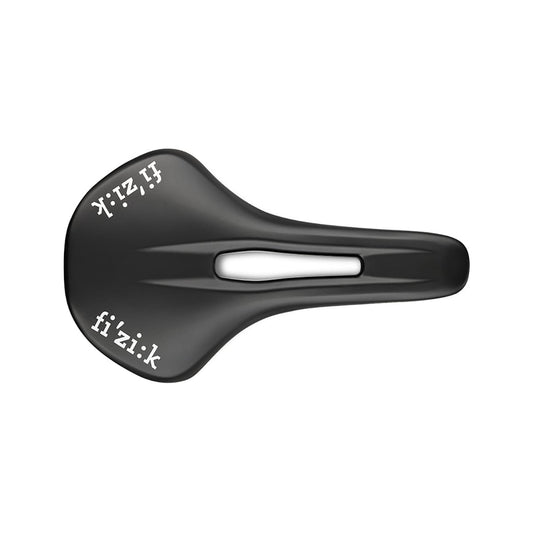
FIZIK VENTO ANTARES R5 140 mm S-Alloy Rails Saddle Black
Regular price 69,99 €Regular priceUnit price perRecommended price* : 109,00 €
-


FIZIK VENTO ANTARES R5 150 mm S-Alloy Rails Saddle Black
Regular price 69,99 €Regular priceUnit price perRecommended price* : 109,00 €
-


FIZIK TEMPO ALIANTE R5 145mm S-Alloy Rails Saddle Black
Regular price 65,99 €Regular priceUnit price perRecommended price* : 109,00 €
-


FIZIK TEMPO ALIANTE R5 155mm S-Alloy Rails Saddle Black
Regular price 69,99 €Regular priceUnit price perRecommended price* : 109,00 €
-


PROLOGO AKERO PAS Rails T2.0 Black Saddle
Regular price 69,99 €Regular priceUnit price perRecommended price* : 89,90 €
-


SAN MARCO SHORTFIT 2.0 OPEN-FIT DYNAMIC S3 Width 140mm Manganese Rails Saddle
Regular price 72,99 €Regular priceUnit price perRecommended price* : 89,90 €
-


SAN MARCO SHORTFIT 2.0 OPEN-FIT DYNAMIC L3 Width 155mm Manganese Rails Saddle
Regular price 72,99 €Regular priceUnit price perRecommended price* : 89,90 €
-


SELLE ITALIA NOVUS EVO BOOST SUPERFLOW L Saddle Manganese Rails Black
Regular price 74,99 €Regular priceUnit price perRecommended price* : 117,90 €
-

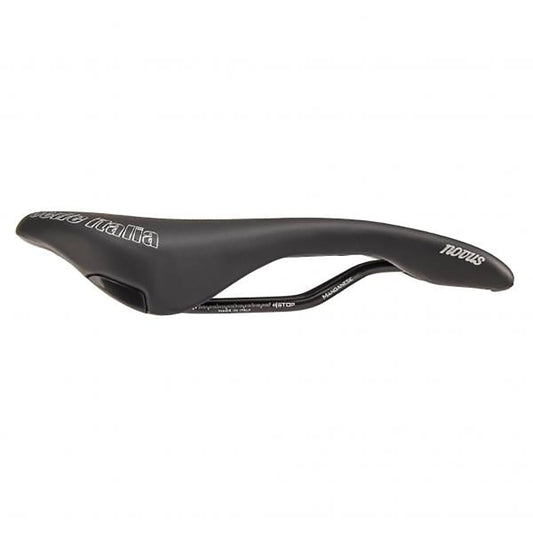
SELLE ITALIA NOVUS ENDURANCE SUPERFLOW L Manganese Rails Black Saddle
Regular price 69,99 €Regular priceUnit price perRecommended price* : 117,90 €
-


SAN MARCO ASPIDE DYNAMIC OPEN FIT NARROW Manganese Rails Saddle
Regular price 74,99 €Regular priceUnit price perRecommended price* : 89,90 €
-


SAN MARCO ASPIDE FULL FIT DYNAMIC WIDE Saddle Manganese Rails
Regular price 75,99 €Regular priceUnit price perRecommended price* : 89,00 €
-


SAN MARCO ASPIDE SHORT OPEN-FIT DYNAMIC NARROW Saddle Manganese Rails
Regular price 74,99 €Regular priceUnit price perRecommended price* : 89,90 €
-

SAN MARCO ASPIDE SHORT OPEN-FIT DYNAMIC WIDE Manganese Rails Saddle
Regular price 75,99 €Regular priceUnit price perRecommended price* : 89,90 €
-


SMP EXTRA GEL Saddle Width 140mm Steel Rails Black
Regular price 86,99 €Regular priceUnit price perRecommended price* : 115,00 €
-


SMP HYBRID Saddle Width 140mm Steel Rails Black
Regular price 73,99 €Regular priceUnit price perRecommended price* : 99,00 €
-


FIZIK ARIONE CLASSIC Rails Kium Black Saddle
Regular price 79,99 €Regular priceUnit price perRecommended price* : 129,00 €
-


Saddle SELLE ITALIA LADY GEL FLOW S Women Manganese Rails Black
Regular price 79,99 €Regular priceUnit price perRecommended price* : 117,90 €
-


SELLE ITALIA NOVUS SUPERFLOW ENDURANCE S Manganese Rails Black Saddle
Regular price 69,99 €Regular priceUnit price perRecommended price* : 117,90 €
-


SELLE ITALIA TURBO BONNIE Manganese Rails Black Saddle
Regular price 99,99 €Regular priceUnit price perRecommended price* : 125,90 €
-


SAN MARCO ASPIDE DYNAMIC OPEN FIT WIDE Manganese Rails Black Saddle
Regular price 72,99 €Regular priceUnit price perRecommended price* : 89,90 €
-


SAN MARCO SHORTFIT 2.0 COMFORT OPEN-FIT DYNAMIC L3 155mm Width Aluminium Rails Black Saddle
Regular price 80,99 €Regular priceUnit price perRecommended price* : 99,90 €
-


SAN MARCO SHORTFIT 2.0 COMFORT OPEN-FIT DYNAMIC S3 Saddle Width 140mm Manganese Rails
Regular price 80,99 €Regular priceUnit price perRecommended price* : 99,90 €


