


-


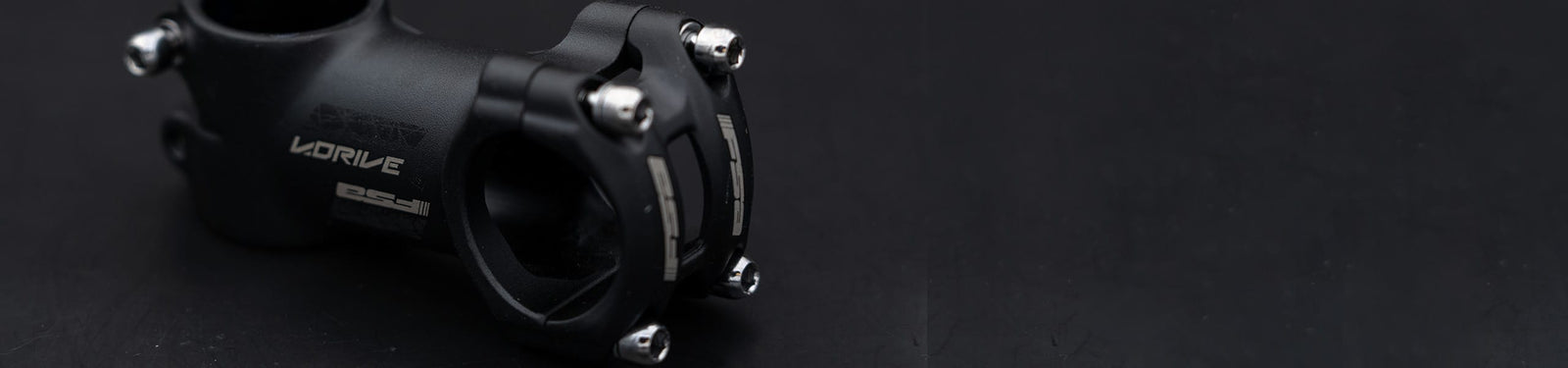
FSA OMEGA 6° 1"1/8 Stem
Regular price From 19,99 €Regular priceUnit price perRecommended price* : 37,00 €
-


DEDA ZERO2 POB Finish stem
Regular price 34,99 €Regular priceUnit price perRecommended price* : 54,00 €
-


ZIPP SERVICE COURSE 6° Stem
Regular price 44,99 €Regular priceUnit price perRecommended price* : 62,00 €
-

DEDA Ahead-set Stem Adapter from 28.6 to 25.4 mm
Regular price 4,99 €Regular priceUnit price perRecommended price* : 6,50 €
-

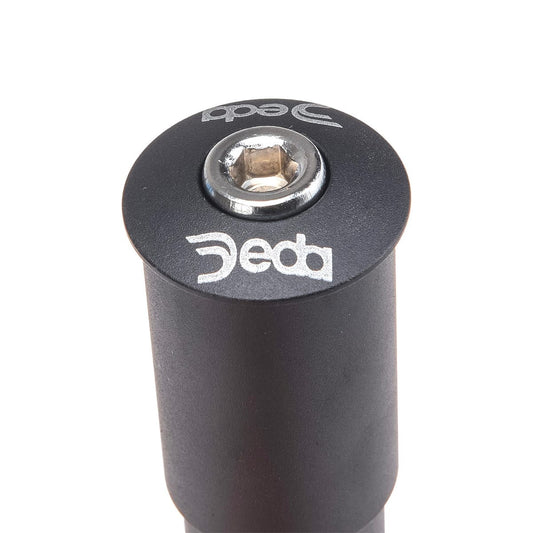
DEDA Ahead-Set Stem Adapter for Traditional Fork
Regular price 17,99 €Regular priceUnit price perRecommended price* : 21,00 €
-

RITCHEY SHIM Stem Adapter 31.8mm to 28.6mm 1-1/4 to 1-1/8
Regular price 6,99 €Regular priceUnit price perRecommended price* : 7,90 €
-


RITCHEY 4-AXIS BB 6° Stem
Regular price 26,99 €Regular priceUnit price perRecommended price* : 29,89 €
-


RITCHEY COMP 4-AXIS +/- 30° Black Stem
Regular price From 43,99 €Regular priceUnit price perRecommended price* : 49,90 €
-


DEDA ZERO 2 -7° Stem
Regular price From 34,99 €Regular priceUnit price perRecommended price* : 54,00 €
-


RITCHEY COMP 4-AXIS-44 17° 1"1/4 Stem
Regular price 51,99 €Regular priceUnit price perRecommended price* : 59,89 €
-


RITCHEY 4-AXIS Adjustable Stem
Regular price 49,99 €Regular priceUnit price perRecommended price* : 54,90 €
-

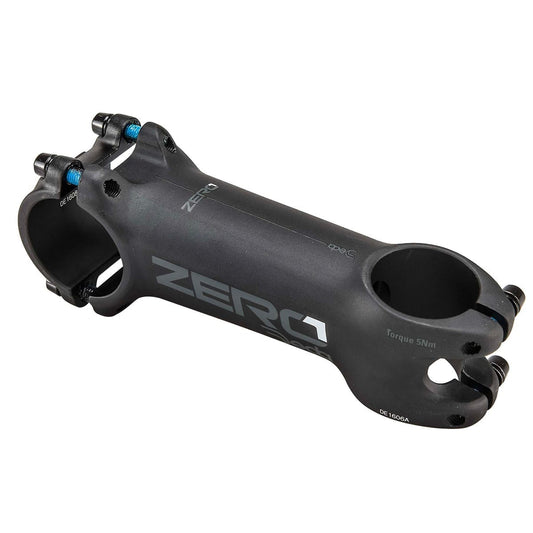
DEDA ZERO1 BOB FINISH stem
Regular price From 34,99 €Regular priceUnit price perRecommended price* : 51,00 €
-


RITCHEY COMP 4-AXIS-44 6° Stem
Regular price From 45,99 €Regular priceUnit price perRecommended price* : 52,90 €
-


RITCHEY WCS C220 6° Stem
Regular price 99,99 €Regular priceUnit price perRecommended price* : 104,89 €
-


PRO LT 1"1/8 6° Stem
Regular price 29,99 €Regular priceUnit price perRecommended price* : 43,49 €
-


DEDA ELEMENTI stem
Regular price From 23,99 €Regular priceUnit price perRecommended price* : 33,00 €
-


DEDA ZERO100 BOB FINISH stem
Regular price From 19,99 €Regular priceUnit price perRecommended price* : 102,00 €
-


DEDA SUPERBOX DCR POB finish stem
Regular price 89,99 €Regular priceUnit price perRecommended price* : 142,00 €
-


PRO PLT 6° Stem
Regular price 39,99 €Regular priceUnit price perRecommended price* : 59,99 €
-


CANE CREEK GXC Stem Black
Regular price 69,99 €Regular priceUnit price perRecommended price* : 79,00 €
-


PRO LT 35° Stem
Regular price 34,99 €Regular priceUnit price perRecommended price* : 43,49 €
-


RITCHEY COMP SWITCH BB 6° Stem
Regular price 69,99 €Regular priceUnit price perRecommended price* : 79,90 €
-


VISION SMR II -10° Stem
Regular price From 39,99 €Regular priceUnit price perRecommended price* : 75,00 €
-


DEDA MUREX 17° 1" 26 mm Stem
Regular price From 34,99 €Regular priceUnit price perRecommended price* : 52,00 €
-

RITCHEY SHIM Stem Adapter 28.6mm to 25.4mm 1-1/8 to 1"
Regular price 6,99 €Regular priceUnit price perRecommended price* : 7,90 €
-

Bolt Kit for RITCHEY C260 Stem M4X15 Steel
Regular price 8,99 €Regular priceUnit price perRecommended price* : 10,90 €
-


CANE CREEK GXC Stem Silver
Regular price 70,99 €Regular priceUnit price perRecommended price* : 79,00 €
-


FSA GOSSAMER 6° 1"1/8 Stem
Regular price From 35,99 €Regular priceUnit price perRecommended price* : 55,00 €
-


RITCHEY WCS TOYON 6° Stem + Top Cap
Regular price 89,99 €Regular priceUnit price perRecommended price* : 99,90 €
-

Bolt Kit for RITCHEY 4-AXIS Steel Stem
Regular price 7,90 €Regular priceUnit price perRecommended price* : 10,90 €
-


FSA ENERGY SCR 6° 1"1/8 Stem
Regular price From 58,99 €Regular priceUnit price perRecommended price* : 86,00 €
-


RITCHEY WCS C220 6° 1"1/4 Stem
Regular price 99,99 €Regular priceUnit price perRecommended price* : 104,89 €
-


Stem PRO LT 1"1/8 17°
Regular price 29,99 €Regular priceUnit price perRecommended price* : 43,49 €
-


PRO LT Adjustable Stem 1"1/8
Regular price 34,99 €Regular priceUnit price perRecommended price* : 51,49 €
-


RITCHEY WCS C220 17° Stem
Regular price 99,99 €Regular priceUnit price perRecommended price* : 104,89 €
-

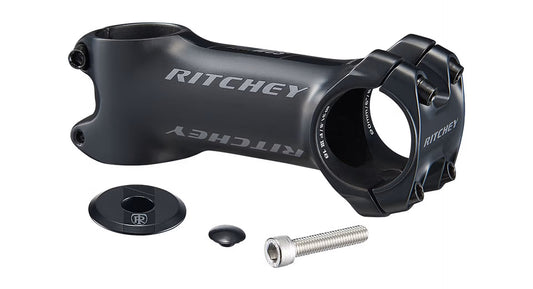
RITCHEY WCS CARBON MATRIX C220 6° Stem - Carbon
Regular price 119,90 €Regular priceUnit price perRecommended price* : 169,90 €
-


RITCHEY CLASSIC C220 6° HP Stem
Regular price 69,99 €Regular priceUnit price perRecommended price* : 79,90 €
-

FSA ACR -6° 1"1/8 Stem
Regular price 69,99 €Regular priceUnit price perRecommended price* : 111,00 €
-

Bolt Kit for RITCHEY SUPERLOGIC C260 Steel Stem
Regular price 7,90 €Regular priceUnit price perRecommended price* : 10,90 €
-


DEDA SUPERZERO POB finish stem
Regular price 89,99 €Regular priceUnit price perRecommended price* : 129,00 €
-


PRO PLT Stem 17°
Regular price 39,99 €Regular priceUnit price perRecommended price* : 59,99 €
-


DEDA SUPERBOX V2 82° POB Finish Stem
Regular price 109,90 €Regular priceUnit price perRecommended price* : 144,00 €
-

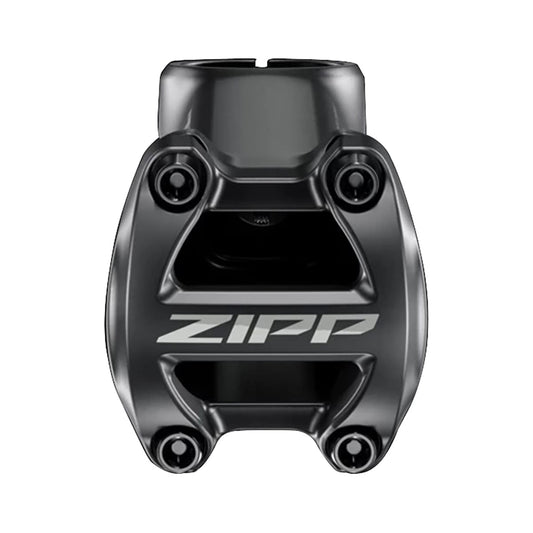
ZIPP SERVICE COURSE SL 6° Stem
Regular price 94,99 €Regular priceUnit price perRecommended price* : 127,00 €
-


DEDA VINCI POB FINISH stem
Regular price 99,99 €Regular priceUnit price perRecommended price* : 132,00 €
-


ENVE Aero Stem
Regular price From 249,90 €Regular priceUnit price perRecommended price* : 349,00 €
-


ENVE Carbon Stem
Regular price 279,90 €Regular priceUnit price perRecommended price* : 349,00 €
-


ENVE Aero Internal Routing Stem
Regular price 399,90 €Regular priceUnit price perRecommended price* : 429,00 €
-

Bolt Kit for RITCHEY C220 SILVER Steel Stem
Regular price 8,99 €Regular priceUnit price perRecommended price* : 10,90 €
-

PRO Aheadset Stem Adapter for Threaded Fork
Regular price 11,99 €Regular priceUnit price perRecommended price* : 17,99 €
-


ENVE Passage Interne High Rise Stem
Regular price 349,90 €Regular priceUnit price perRecommended price* : 429,00 €
-


CANE CREEK EESILK CS Suspension Stem Black
Regular price 239,90 €Regular priceUnit price perRecommended price* : 269,00 €
-


Stem KS KIND SHOCK GRAVEL +6°
Regular price 59,90 €Regular priceUnit price perRecommended price* : 59,90 €
-


Screw Kit for RITCHEY WCS C220 Titanium Stem
Regular price 32,99 €Regular priceUnit price perRecommended price* : 39,90 €
-


PRO Discover 10° Stem
Regular price 74,99 €Regular priceUnit price perRecommended price* : 99,99 €
-

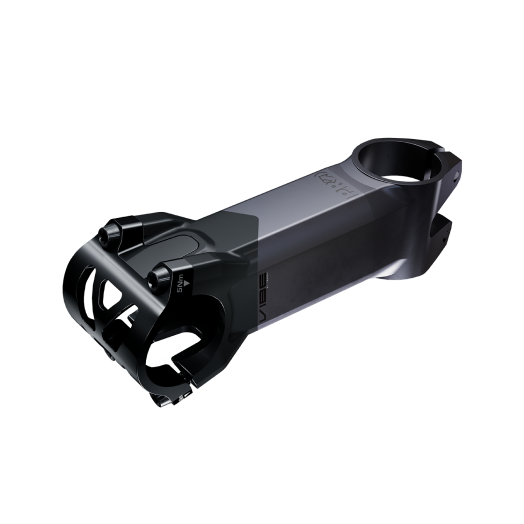
PRO VIBE SUPERLIGHT +/- 6° 1"-1/8 Stem
Regular price 139,90 €Regular priceUnit price perRecommended price* : 179,99 €
-

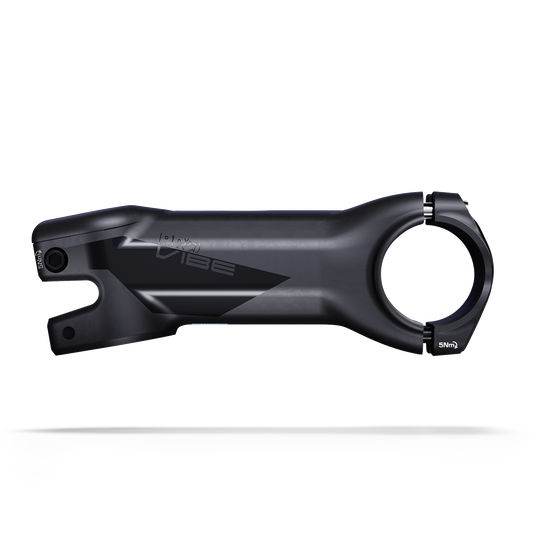
PRO VIBE Stem -10° 1"-1/4
Regular price 89,99 €Regular priceUnit price perRecommended price* : 119,99 €
-


ZIPP SERVICE COURSE SL-OS 6° Stem - 1" 1/4
Regular price From 89,99 €Regular priceUnit price perRecommended price* : 150,00 €
-


ZIPP SERVICE COURSE 25° Stem
Regular price 49,99 €Regular priceUnit price perRecommended price* : 62,00 €
-


RITCHEY WCS C220 25° Stem
Regular price 99,99 €Regular priceUnit price perRecommended price* : 104,89 €
-

DEDA SUPERLEGGERO TEAM FINISH stem
Regular price From 119,90 €Regular priceUnit price perRecommended price* : 183,00 €


