


-


GARMIN RALLY RS 210 Power Meter Pedals
Regular price 799,90 €Regular priceUnit price perRecommended price* : 1.099,99 €
-

 Price Drop
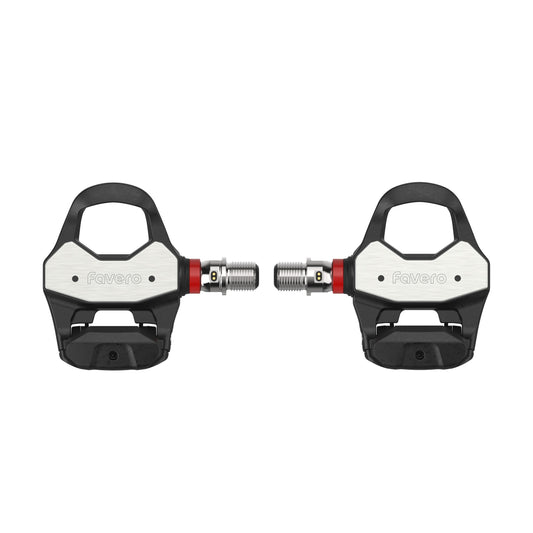
FAVERO ASSIOMA PRO RL-2 Power Meter Pedals
Regular price 674,90 €Regular priceUnit price perRecommended price* : 693,60 €
-

 Price Drop
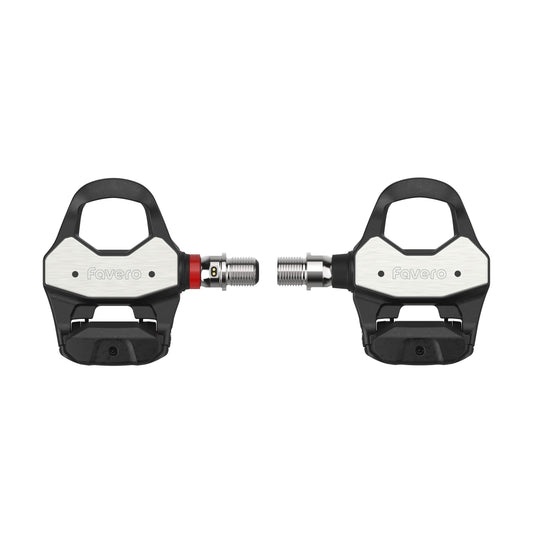
FAVERO ASSIOMA PRO RL-1 Power Meter Pedals
Regular price 419,90 €Regular priceUnit price perRecommended price* : 435,60 €
-


GARMIN RALLY RS 110 Power Meter Pedals
Regular price 499,90 €Regular priceUnit price perRecommended price* : 649,99 €
-
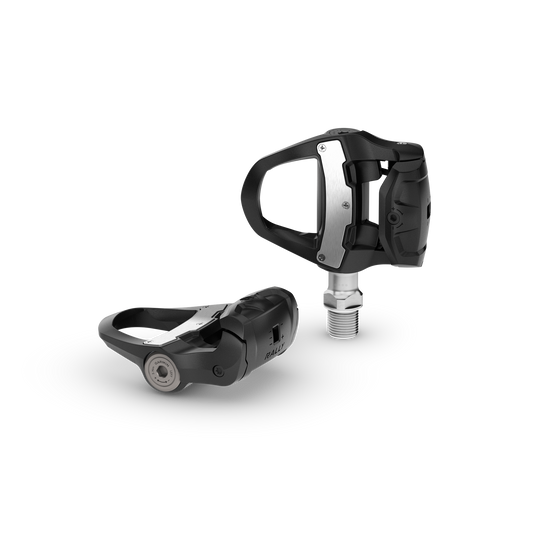

GARMIN RALLY RK 110 Power Meter Pedals
Regular price 479,90 €Regular priceUnit price perRecommended price* : 649,99 €
-


GARMIN RALLY RK 210 Power Meter Pedals
Regular price 799,90 €Regular priceUnit price perRecommended price* : 1.099,99 €
-

 Price Drop
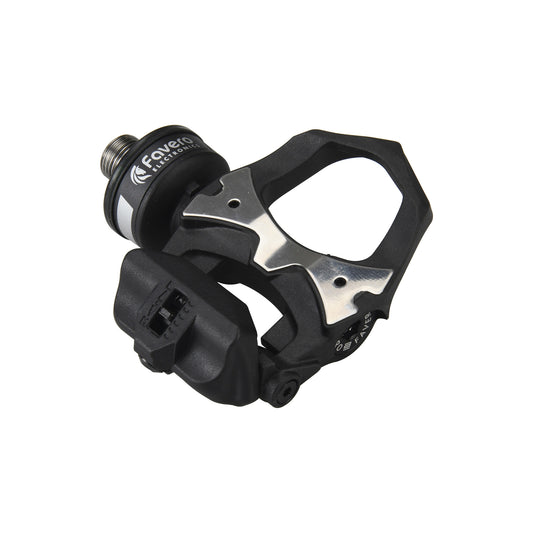
FAVERO ASSIOMA DUO Power Meter Pedals
Regular price 419,90 €Regular priceUnit price perRecommended price* : 683,60 €
-

GARMIN RALLY RS/XC 210 Power Meter Pedal Kit
Regular price 1.099,90 €Regular priceUnit price perRecommended price* : 1.349,99 €
-

 Price Drop
FAVERO ASSIOMA UNO Power Meter Pedals
Regular price 329,90 €Regular priceUnit price perRecommended price* : 437,70 €
-

 Price Drop
FAVERO ASSIOMA PRO RS-2 Power Meter Pedals
Regular price 659,90 €Regular priceUnit price perRecommended price* : 693,60 €
-

 Price Drop
FAVERO ASSIOMA PRO RS-1 Power Meter Pedals
Regular price 409,90 €Regular priceUnit price perRecommended price* : 435,60 €
-


SHIMANO DURA-ACE R9200-P 12-Speed Power Meter Crankset
Regular price 899,90 €Regular priceUnit price perRecommended price* : 1.449,00 €
-


WAHOO SPEEDPLAY POWER SINGLE-SIDED Power Meter Pedals
Regular price 469,90 €Regular priceUnit price perRecommended price* : 549,99 €
-


LOOK KEO BLADE POWER SINGLE Pedals
Regular price 589,90 €Regular priceUnit price perRecommended price* : 659,00 €
-

SRAM RED AXS E1 DUB Double 12-Speed Power Meter Crankset
Regular price 999,90 €Regular priceUnit price perRecommended price* : 1.345,00 €
-

FAVERO ASSIOMA DUO/UNO Left Pedal Body
Regular price 58,90 €Regular priceUnit price perRecommended price* : 58,90 €
-

FAVERO ASSIOMA DUO/UNO Bearings
Regular price 39,20 €Regular priceUnit price perRecommended price* : 39,20 €
-

FAVERO ASSIOMA Magnetic Connector
Regular price 24,50 €Regular priceUnit price perRecommended price* : 24,50 €
-

FAVERO ASSIOMA DUO/UNO Right Pedal Body
Regular price 58,90 €Regular priceUnit price perRecommended price* : 58,90 €
-

FAVERO ASSIOMA DUO SHIMANO Bearings and Adapters Set
Regular price 54,99 €Regular priceUnit price perRecommended price* : 58,90 €
-

USB/Micro USB Charging Cable for FAVERO ASSIOMA
Regular price 11,99 €Regular priceUnit price perRecommended price* : 12,60 €
-

FAVERO ASSIOMA Right Pedal Without Power Meter
Regular price 94,99 €Regular priceUnit price perRecommended price* : 98,30 €
-

Charger for FAVERO ASSIOMA
Regular price 29,40 €Regular priceUnit price perRecommended price* : 29,40 €
-

FAVERO ASSIOMA PRO USB-C Magnetic Connector Set
Regular price 29,40 €Regular priceUnit price perRecommended price* : 29,40 €
-


SRAM RIVAL AXS D1 DUB Double 12-Speed Power Meter Crankset
Regular price From 249,90 €Regular priceUnit price perRecommended price* : 380,00 €
-

SRAM RIVAL AXS QUARQ D1 DUB Power Meter Crankarm
Regular price From 229,90 €Regular priceUnit price perRecommended price* : 274,00 €
-

FAVERO ASSIOMA PRO Repair Kit
Regular price 29,40 €Regular priceUnit price perRecommended price* : 29,40 €
-

Washers for FAVERO ASSIOMA PRO (x4)
Regular price 9,99 €Regular priceUnit price perRecommended price* : 10,80 €
-

FAVERO ASSIOMA PRO RS Left Pedal Body
Regular price 58,80 €Regular priceUnit price perRecommended price* : 58,80 €
-

FAVERO ASSIOMA PRO Micro-USB Magnetic Connector Set
Regular price 29,40 €Regular priceUnit price perRecommended price* : 29,40 €
-


LOOK KEO BLADE POWER DUAL Pedals
Regular price 869,90 €Regular priceUnit price perRecommended price* : 999,00 €
-

SRAM RIVAL AXS E1 DUB DM Double 12-Speed Power Meter Crankset
Regular price 329,90 €Regular priceUnit price perRecommended price* : 380,00 €
-

FAVERO ASSIOMA PRO RS Right Pedal Body
Regular price 58,80 €Regular priceUnit price perRecommended price* : 58,80 €
-


FAVERO ASSIOMA DUO SHIMANO Power Meter Right Pedal Axle
Regular price 339,90 €Regular priceUnit price perRecommended price* : 344,20 €
-

SRAM AXS QUARQ 107 BCD Power Meter Spider
Regular price 399,90 €Regular priceUnit price perRecommended price* : 494,00 €
-

QUARQ DZERO DUB 110BCD Power Meter Spider
Regular price 349,90 €Regular priceUnit price perRecommended price* : 442,00 €
-


FAVERO ASSIOMA Power Meter Upgrade Kit
Regular price 329,90 €Regular priceUnit price perRecommended price* : 422,86 €
-

FAVERO ASSIOMA PRO Micro-USB Cable (2m)
Regular price 14,99 €Regular priceUnit price perRecommended price* : 15,60 €
-


FAVERO ASSIOMA DUO SHIMANO Left Power Meter Pedal Axle
Regular price 339,90 €Regular priceUnit price perRecommended price* : 344,20 €
-


QUARQ DZERO DUB 130BCD Power Meter Spider
Regular price 349,90 €Regular priceUnit price perRecommended price* : 442,00 €
-


FAVERO ASSIOMA DUO/UNO Left Sensor
Regular price 339,90 €Regular priceUnit price perRecommended price* : 344,20 €
-

FAVERO ASSIOMA DUO/UNO Left Power Meter Pedal
Regular price 399,90 €Regular priceUnit price perRecommended price* : 403,20 €
-

FAVERO ASSIOMA DUO Right Power Meter Pedal
Regular price 399,90 €Regular priceUnit price perRecommended price* : 403,20 €
-

SRAM RED AXS E1 AERO Direct Mount Power Meter Kit
Regular price From 699,90 €Regular priceUnit price perRecommended price* : 1.000,00 €
-

SRAM APEX AXS QUARQ D1 DUB WIDE Power Meter Crank Arm
Regular price 185,90 €Regular priceUnit price perRecommended price* : 230,00 €
-

GARMIN RALLY RK/XC 210 Power Meter Pedal Kit
Regular price 1.079,90 €Regular priceUnit price perRecommended price* : 1.349,99 €
-

FAVERO ASSIOMA PRO USB-C Cable (2m)
Regular price 14,99 €Regular priceUnit price perRecommended price* : 15,60 €
-

FAVERO ASSIOMA PRO Greasing Kit
Regular price 9,99 €Regular priceUnit price perRecommended price* : 10,80 €
-

FAVERO ASSIOMA Left Pedal
Regular price 94,99 €Regular priceUnit price perRecommended price* : 98,30 €
-


WAHOO SPEEDPLAY POWER DUAL-SIDED Power Meter Pedals
Regular price 749,90 €Regular priceUnit price perRecommended price* : 749,99 €
-


SHIMANO ULTEGRA R8100-P Power Meter Cranks
Regular price 829,90 €Regular priceUnit price perRecommended price* : 999,99 €
-

Double Chainset 12S Power Meter SRAM FORCE AXS E1 DUB DM
Regular price 619,90 €Regular priceUnit price perRecommended price* : 855,00 €
-

SRAM RED AXS E1 DM Power Meter Spider
Regular price 459,90 €Regular priceUnit price perRecommended price* : 560,00 €
-

FAVERO ASSIOMA PRO Right Sensor
Regular price 329,90 €Regular priceUnit price perRecommended price* : 348,00 €
-


ROTOR 2INPOWER Power Meter Left Crank
Regular price 134,90 €Regular priceUnit price perRecommended price* : 150,00 €
-


SHIMANO DURA-ACE R9200-P Power Meter Cranks
Regular price 1.199,90 €Regular priceUnit price perRecommended price* : 1.399,99 €
-


CAMPAGNOLO SUPER RECORD WRL 13V Power Meter Cranks
Regular price 1.799,90 €Regular priceUnit price perRecommended price* : 1.815,82 €
-


CAMPAGNOLO SUPER RECORD X 13V Mono Cranks Power Meter
Regular price 1.754,90 €Regular priceUnit price perRecommended price* : 1.755,82 €
-

Single Chainset 12/13S Power Meter SRAM RED 1 AXS E1 AERO DUB DM
Regular price 999,90 €Regular priceUnit price perRecommended price* : 1.345,00 €
-


FAVERO ASSIOMA PRO RS-UP Power Meter Upgrade Kit
Regular price 425,40 €Regular priceUnit price perRecommended price* : 425,40 €


