


-


SHIMANO ULTEGRA R8000 2x11-Speed Front Derailleur Braze-On
Regular price 34,99 €Regular priceUnit price perRecommended price* : 62,99 €
-

SHIMANO TIAGRA 4700 2x10-Speed Front Derailleur Clamp-On 31.8 mm
Regular price 29,99 €Regular priceUnit price perRecommended price* : 41,49 €
-

SHIMANO TIAGRA 4700 2x10-Speed Front Derailleur Clamp-On 34.9 mm
Regular price 29,99 €Regular priceUnit price perRecommended price* : 41,49 €
-

SHIMANO SORA 3030 3x9-Speed Braze-on Front Derailleur
Regular price 33,99 €Regular priceUnit price perRecommended price* : 42,49 €
-


STRONGLIGHT Brazed Derailleur Hanger
Regular price 16,99 €Regular priceUnit price perRecommended price* : 17,38 €
-

CAMPAGNOLO VELOCE 2x10V Braze-On Black Front Derailleur
Regular price 31,99 €Regular priceUnit price perRecommended price* : 34,00 €
-

SHIMANO TIAGRA 4703 3x10S Braze-On Front Derailleur
Regular price 29,99 €Regular priceUnit price perRecommended price* : 41,49 €
-


SRAM FORCE AXS E1 2x12V Braze-On Front Derailleur (Without Battery)
Regular price 199,90 €Regular priceUnit price perRecommended price* : 265,00 €
-

SHIMANO TIAGRA 4700 2x10-Speed Front Derailleur Braze-On
Regular price 29,99 €Regular priceUnit price perRecommended price* : 41,49 €
-


SHIMANO ULTEGRA R8000 2x11-Speed Front Derailleur Clamp-On 31.8 mm
Regular price 56,99 €Regular priceUnit price perRecommended price* : 62,99 €
-


CAMPAGNOLO CENTAUR 2x11V Braze-On Black Front Derailleur
Regular price 46,99 €Regular priceUnit price perRecommended price* : 54,00 €
-


SHIMANO ULTEGRA R8000 2x11-Speed Front Derailleur Clamp-On 34.9 mm
Regular price 56,99 €Regular priceUnit price perRecommended price* : 62,99 €
-


SRAM RED AXS E1 2x12V Front Derailleur (Without Battery)
Regular price 399,99 €Regular priceUnit price perRecommended price* : 505,00 €
-


SHIMANO 105 R7000 2x11-Speed Braze-On Front Derailleur Black
Regular price 38,99 €Regular priceUnit price perRecommended price* : 49,99 €
-

SHIMANO 105 R7100 2x12-Speed Braze-On Front Derailleur
Regular price 39,99 €Regular priceUnit price perRecommended price* : 72,99 €
-

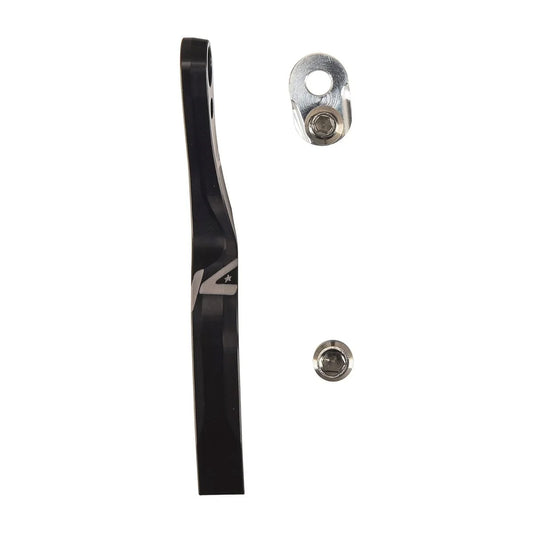
K-EDGE PRO ROAD Braze-On Derailleur Hanger Black
Regular price 39,99 €Regular priceUnit price perRecommended price* : 44,99 €
-


SRAM RIVAL AXS E1 2x12V Front Derailleur (Without Battery) Braze-on
Regular price 169,90 €Regular priceUnit price perRecommended price* : 190,00 €
-

SHIMANO ULTEGRA DI2 R8050 2x11-Speed Front Derailleur Braze-On
Regular price 229,90 €Regular priceUnit price perRecommended price* : 269,99 €
-

SHIMANO SORA 3000 2x9-Speed Braze-on Front Derailleur
Regular price 32,99 €Regular priceUnit price perRecommended price* : 42,49 €
-

SRAM RIVAL 22 2x11V Braze-On Front Derailleur
Regular price 42,99 €Regular priceUnit price perRecommended price* : 53,00 €
-

SRAM FORCE 22 2x11V Braze-On Front Derailleur
Regular price 54,99 €Regular priceUnit price perRecommended price* : 61,00 €
-


SHIMANO CUES U6030 Front Derailleur 2x10/11V with 34.9/31.8/28.6mm Clamp
Regular price 38,99 €Regular priceUnit price perRecommended price* : 42,99 €
-

K-EDGE Braze-On Chain Catcher Black
Regular price 29,99 €Regular priceUnit price perRecommended price* : 31,99 €
-


SHIMANO 105 DI2 R7150 2X12S Braze-On Front Derailleur
Regular price 129,90 €Regular priceUnit price perRecommended price* : 154,99 €
-


SHIMANO DURA-ACE R9100 2x11-Speed Braze-On Front Derailleur
Regular price 146,90 €Regular priceUnit price perRecommended price* : 169,99 €
-


SRAM FORCE D2 AXS 2x12V Braze-On Front Derailleur
Regular price 231,90 €Regular priceUnit price perRecommended price* : 285,00 €
-


CAMPAGNOLO SUPER RECORD 2x12V Braze-on Front Derailleur
Regular price 169,90 €Regular priceUnit price perRecommended price* : 207,00 €
-


SHIMANO ULTEGRA DI2 R8150 2x12V Braze-On Front Derailleur
Regular price 229,90 €Regular priceUnit price perRecommended price* : 249,99 €
-

SHIMANO TIAGRA R4000 2x11-Speed Front Derailleur with 34.9mm Clamp
Regular price 37,99 €Regular priceUnit price perRecommended price* : 37,99 €
-

SHIMANO TIAGRA R4000 2x11S Braze-On Front Derailleur
Regular price 37,99 €Regular priceUnit price perRecommended price* : 37,99 €
-


CAMPAGNOLO SUPER RECORD WRL 2x13-Speed Braze-On Front Derailleur
Regular price 550,00 €Regular priceUnit price perRecommended price* : 550,00 €
-


CAMPAGNOLO SUPER RECORD WRL 2X12V Braze-on Front Derailleur
Regular price 650,90 €Regular priceUnit price perRecommended price* : 769,00 €
-


SRAM RIVAL E-TAP AXS 2x12V Braze-On Front Derailleur
Regular price 189,90 €Regular priceUnit price perRecommended price* : 235,00 €
-
 New
NewCONTEC O Braze Braze-On Chain Guide
Regular price 18,95 €Regular priceUnit price per -

K-EDGE PRO ROAD Braze-On Derailleur Hanger Silver
Regular price 39,99 €Regular priceUnit price perRecommended price* : 44,99 €
-

SHIMANO CUES U6030 2x10/11s Braze-On Front Derailleur
Regular price 38,99 €Regular priceUnit price perRecommended price* : 42,99 €
-

SRAM RED 2x11V Braze-On Front Derailleur
Regular price 114,90 €Regular priceUnit price perRecommended price* : 127,00 €
-

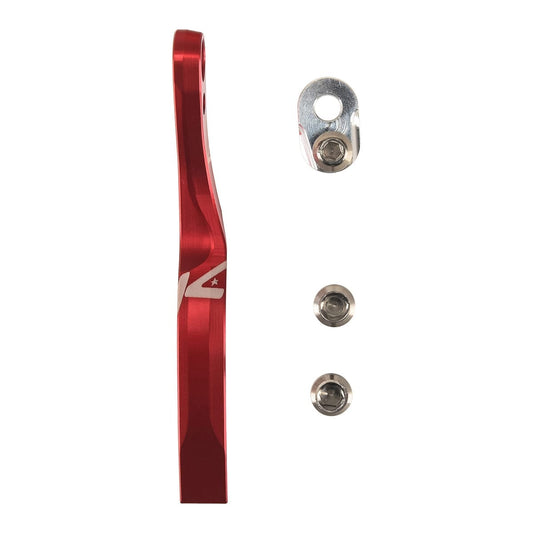
K-EDGE PRO ROAD Braze-On Derailleur Hanger Red
Regular price 39,99 €Regular priceUnit price perRecommended price* : 44,99 €
-

CAMPAGNOLO CHORUS 2x12V Front Derailleur Braze-on
Regular price 99,99 €Regular priceUnit price perRecommended price* : 109,00 €
-


SHIMANO DURA-ACE Di2 R9150 2x11-Speed Front Derailleur Braze-On
Regular price 423,90 €Regular priceUnit price perRecommended price* : 489,99 €
-


SRAM FORCE D2 AXS WIDE 2x12V Braze-On Front Derailleur
Regular price 231,90 €Regular priceUnit price perRecommended price* : 285,00 €
-

SHIMANO TIAGRA R4000 2x11V Front Derailleur with 31.8mm / 28.6mm Clamp
Regular price 37,99 €Regular priceUnit price perRecommended price* : 37,99 €
-


CAMPAGNOLO RECORD WRL 2x13V Braze-On Front Derailleur
Regular price 309,90 €Regular priceUnit price perRecommended price* : 309,97 €
-

K-EDGE PRO ROAD Braze-On Derailleur Hanger Blue
Regular price 39,99 €Regular priceUnit price perRecommended price* : 44,99 €
-


SRAM RED E-TAP AXS 2x12V Braze-On Front Derailleur
Regular price 377,90 €Regular priceUnit price perRecommended price* : 458,00 €
-

CAMPAGNOLO SUPER RECORD 2x11-Speed Braze-on Front Derailleur
Regular price 549,90 €Regular priceUnit price perRecommended price* : 676,35 €
-

CAMPAGNOLO CHORUS 2x11-Speed Braze-On Front Derailleur
Regular price 353,90 €Regular priceUnit price perRecommended price* : 409,00 €
-

CAMPAGNOLO SUPER RECORD EPS 2X12V Braze-on Front Derailleur
Regular price 599,90 €Regular priceUnit price perRecommended price* : 711,00 €
-


SHIMANO 105 R7000 2x11-Speed Front Derailleur Braze-On Silver
Regular price 44,90 €Regular priceUnit price perRecommended price* : 49,99 €
-

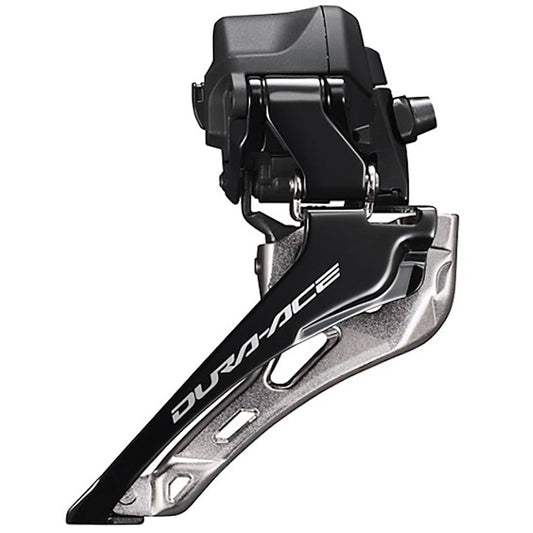
SHIMANO DURA-ACE DI2 R9250 2x12-Speed Front Derailleur Braze-On
Regular price 388,90 €Regular priceUnit price perRecommended price* : 449,99 €


